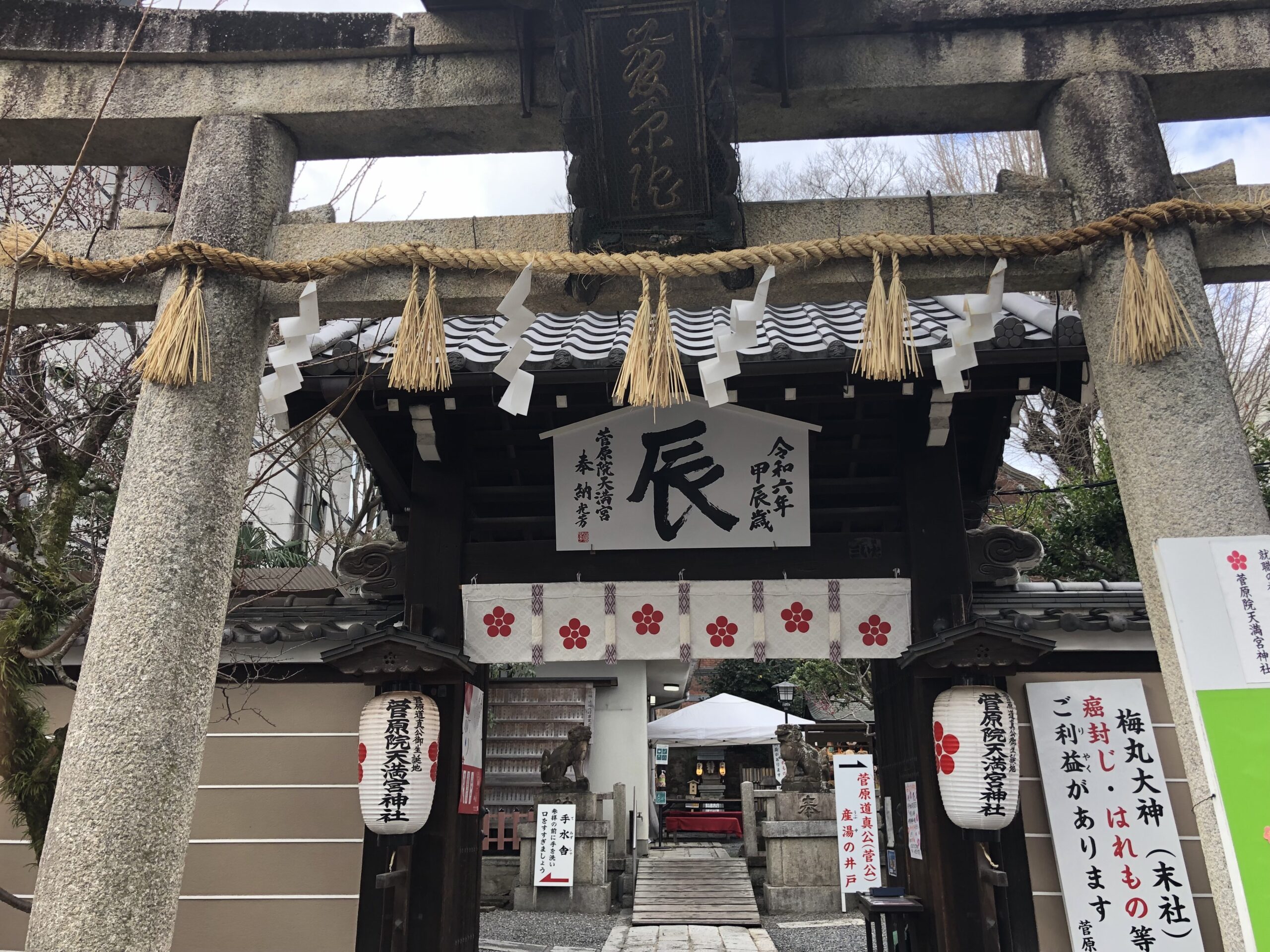
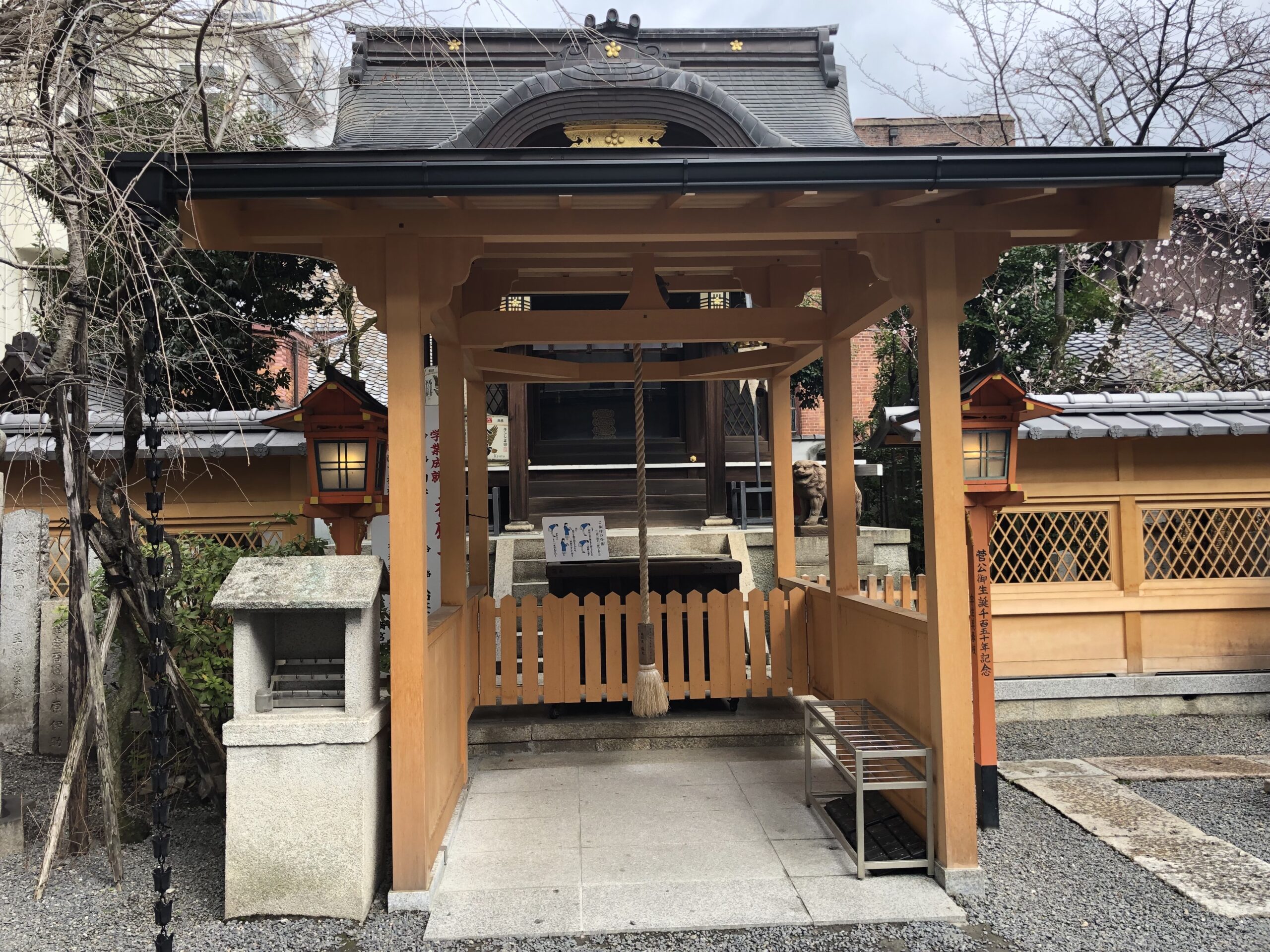
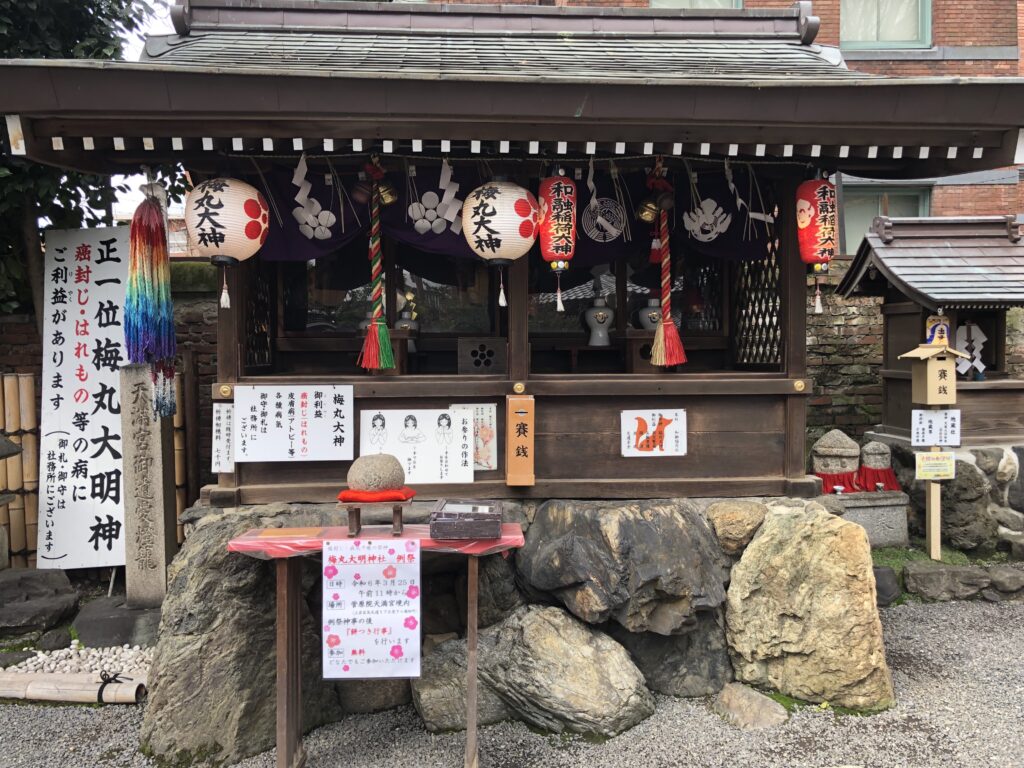
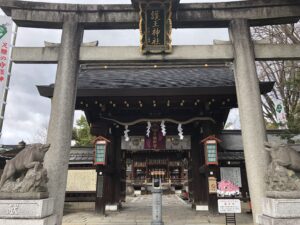
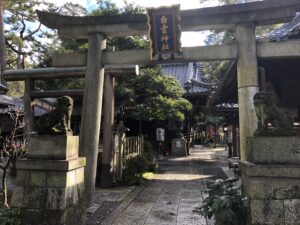
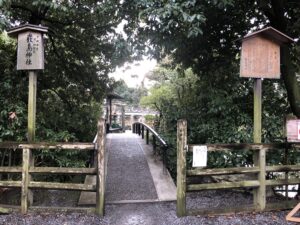
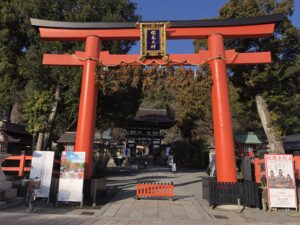
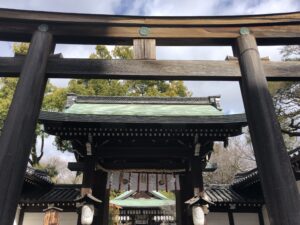
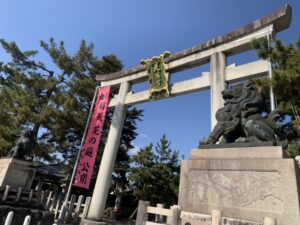
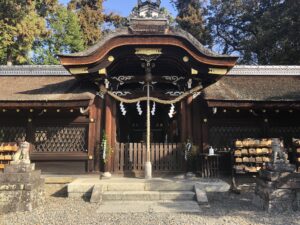
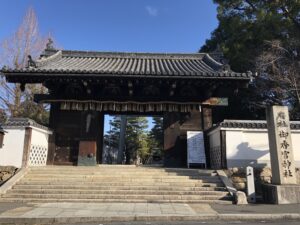
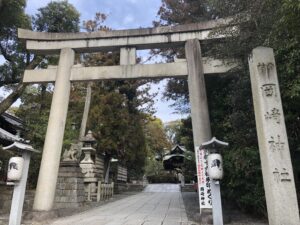
Sugawarain Temmangu Shrine is regarded as one of the best shrines in Japan to wish for academic achievement. The shrine sits on the birthplace of Sugawara no Michizane, the god of learning, and visitors are welcome to taste the sacred spring water that was used for his first bath. In the precinct, there is also a subordinate shrine called Umemaru Ookami, which is famous for its divine power that helps visitors cure cancer.
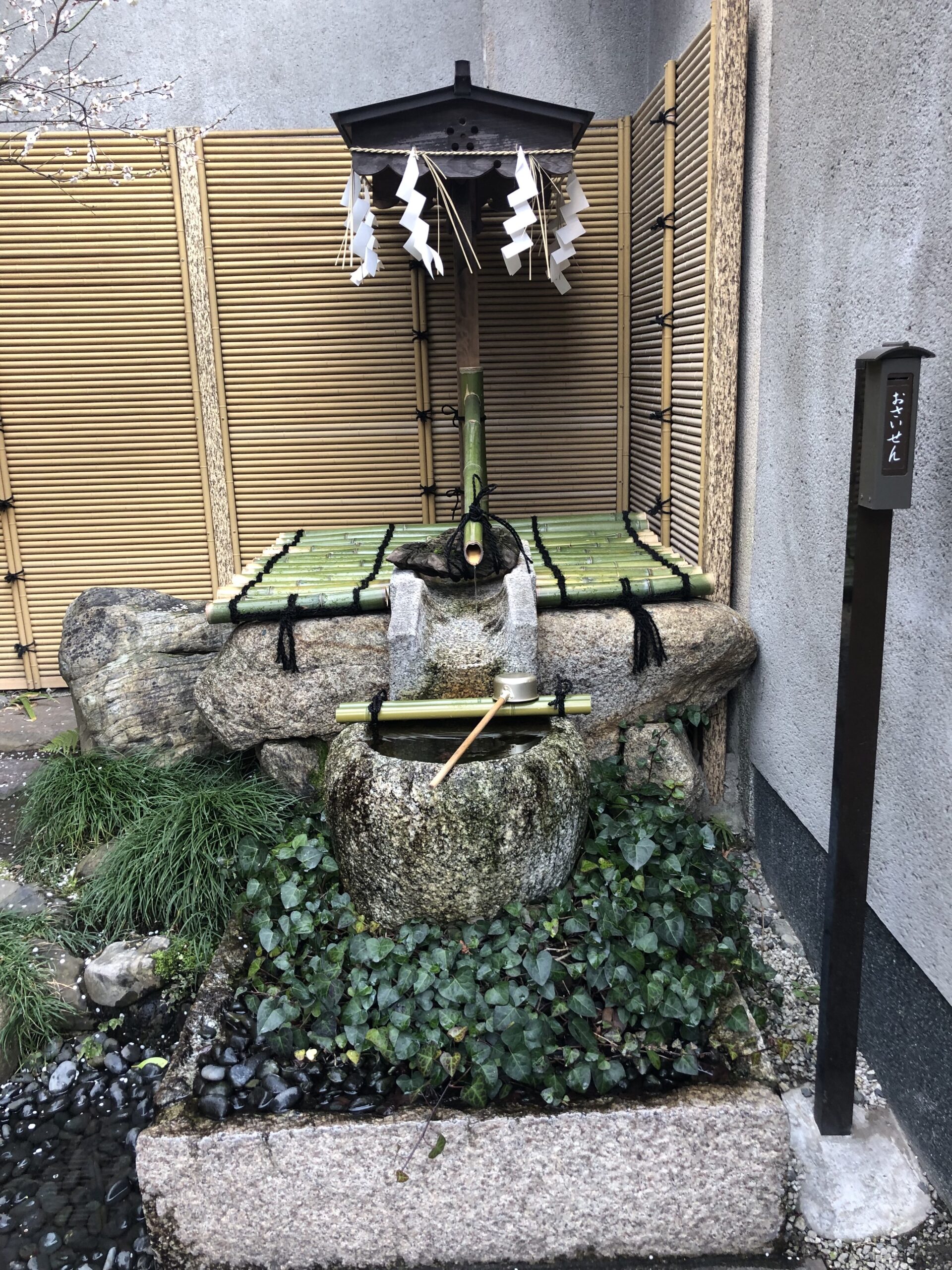
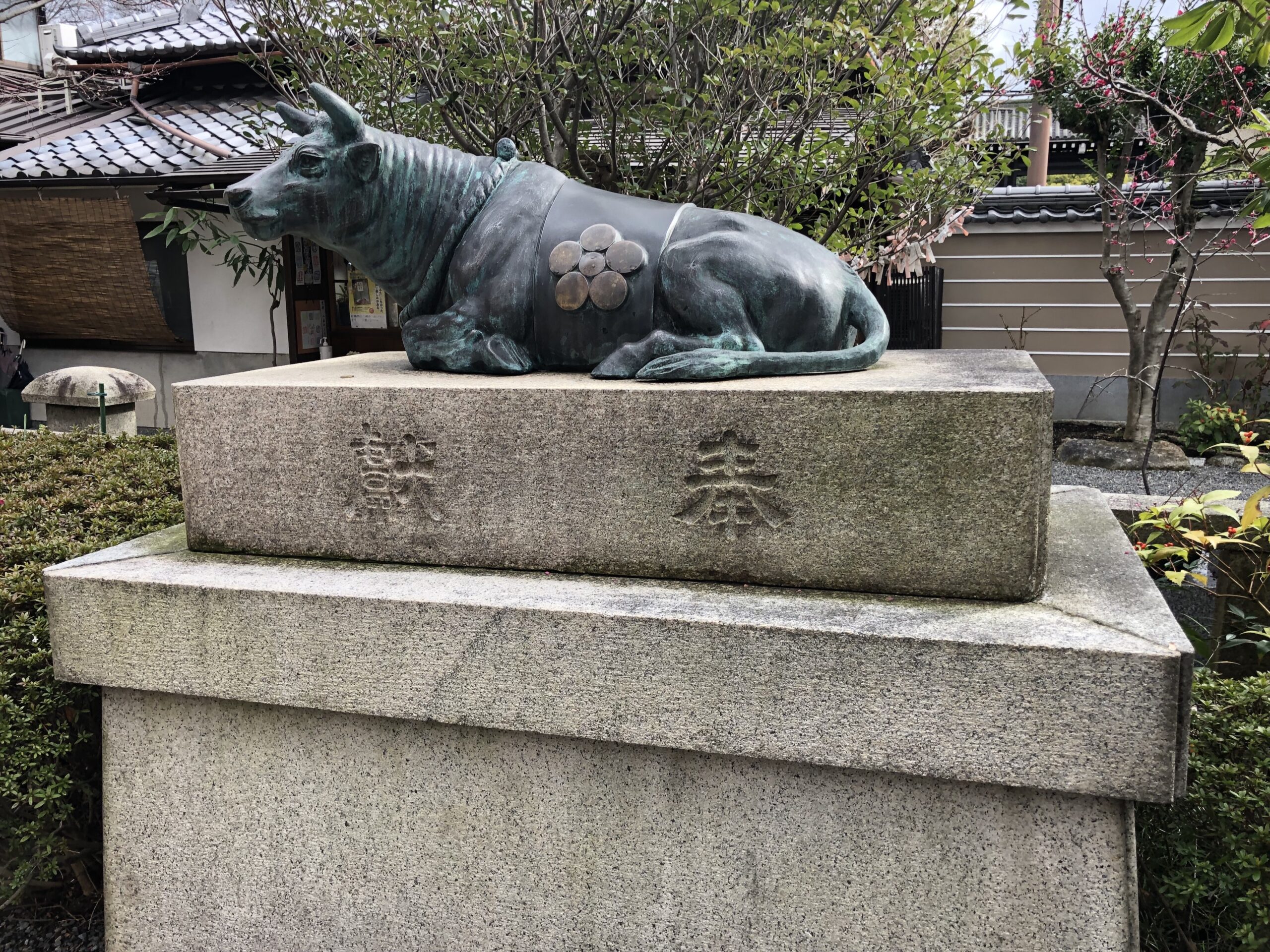
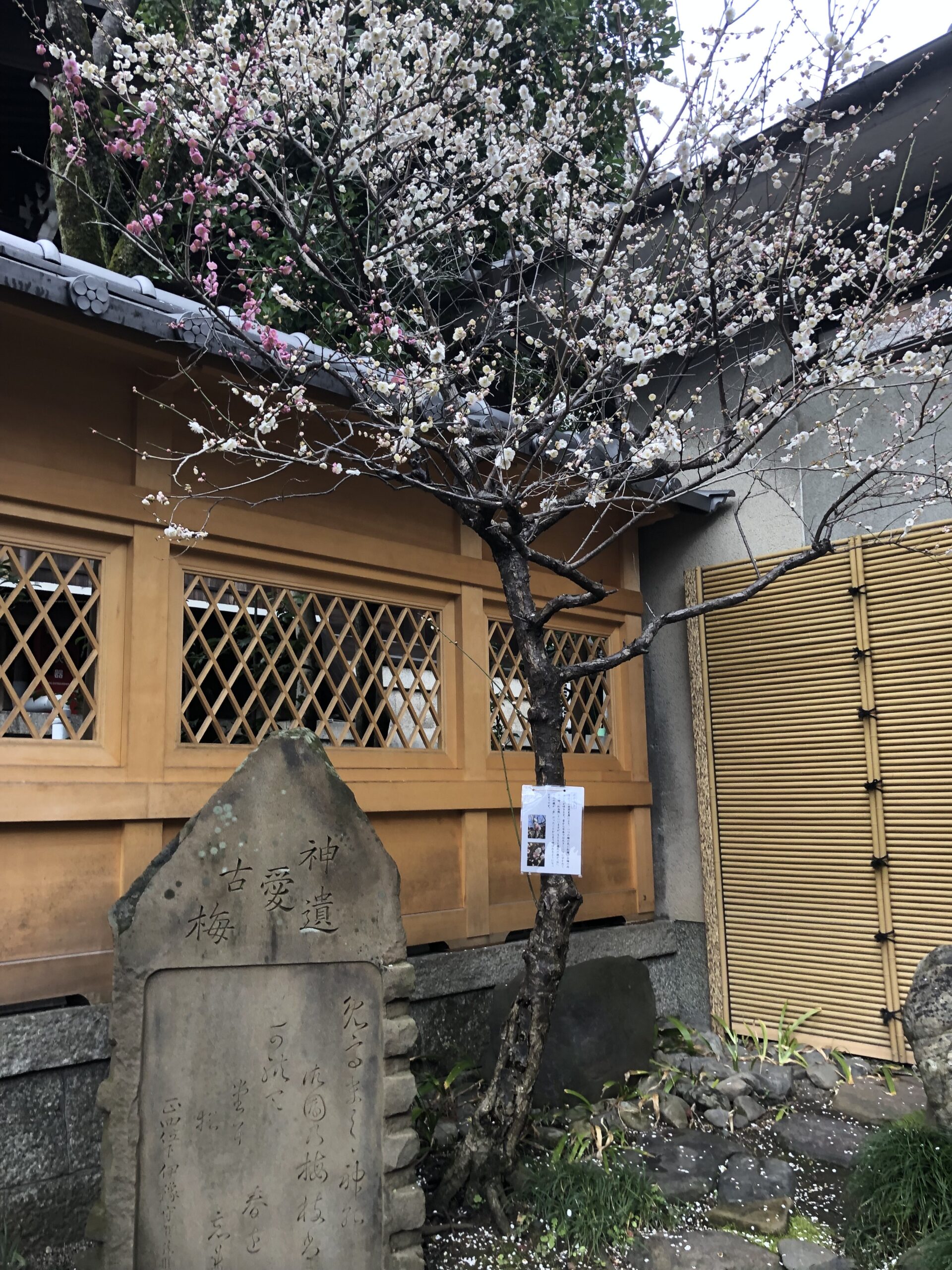
Main Sanctuary: Enshrines Sugawara no Michizane and his father and grandfather, all of which were renowned scholars in the Heian period.Umemaru Ookami and the Healing Stone (Heiyu Seki): People from all over Japan visit Umemaru Ookami to receive its divine assistance to cure cancer. To receive the divine power, you should pray to the shrine at first, and then gently touch the healing stone placed in front of the shrine with both hands. The divine power will stay at the body parts that you rub with your hands.The Ubuyu Well of Sugawara-ko: The sacred spring water taken from this well was used for Sugawara no Michizane’s first bath. It is believed that people who drink this water can receive divine assistance for making academic achievements. (Please note that this well is for purifying your hands. To drink the sacred water, please use the tap at the right side of the torii gateway.)Cow Statues: Cows are the divine servants of Sugawara no Michizane, and its statues can be seen elsewhere in the precinct.Plum Trees: Many beautiful plum trees are planted in the precinct because Sugawara no Michizane particularly loved plum blossoms. Plum blossoms are also made his divine symbol.
Sir Michizane Sugawara: A genius scholar of the Heian period, who had exceptional talents both in academics and arts. He was deeply trusted by the emperor as a politician as well, but died regrettably after an expulsion due to false accusations. He was enshrined as the god of academics after his death, and is now one of the most worshipped gods of academics in Japan.
Sir Kiyokimi Sugawara: The father of Sir Michizane Sugawara. A renowned scholar of the Heian period.
Sir Koreyoshi Sugawara: The grandfather of Sir Michizane Sugawara. A renowned scholar of the Heian period who was an expert in the culture and studies of Tang dynasty China.
Access
Address: 408 Horimatsu-Cho, Kamigyo Ward, Kyoto City, Kyoto Prefecture
List of Nearby Shrines
3 minute walk
Munataka ShrineMunataka Shrine sits at the southwest of Kyoto Imperial Palace. The main enshrined deity, Munataka Ookami, helps people cut their way through, and gives protection to anything that concerns production.
(3 minute walk)
4 minute walk
Goou Jinja ShrineBoars are enshrined in this shrine because it is believed that 300 boars healed the main enshrined deity’s injured feet when he was chased by his enemy. Statues and carvings of boars can be seen elsewhere in the precinct.
(4 minute walk)
6 minute walk
Shirakumo ShrineShirakumo Shrine enshrines Ichikishimahime no Mikoto, the goddess of music. Once every 12 days, the shrine holds the festival of snakes because snakes are considered to be the divine servant of the goddess.
(6 minute walk)
7 minute walk
Itsukushima ShrineItsukushima Shrine locates in the Kyoto Imperial Palace. The stone torii (gateway) of the shrine is famous for being one of the 3 unique toriis in Kyoto. Itsukushima Shrine is also known for giving people economic fortune.