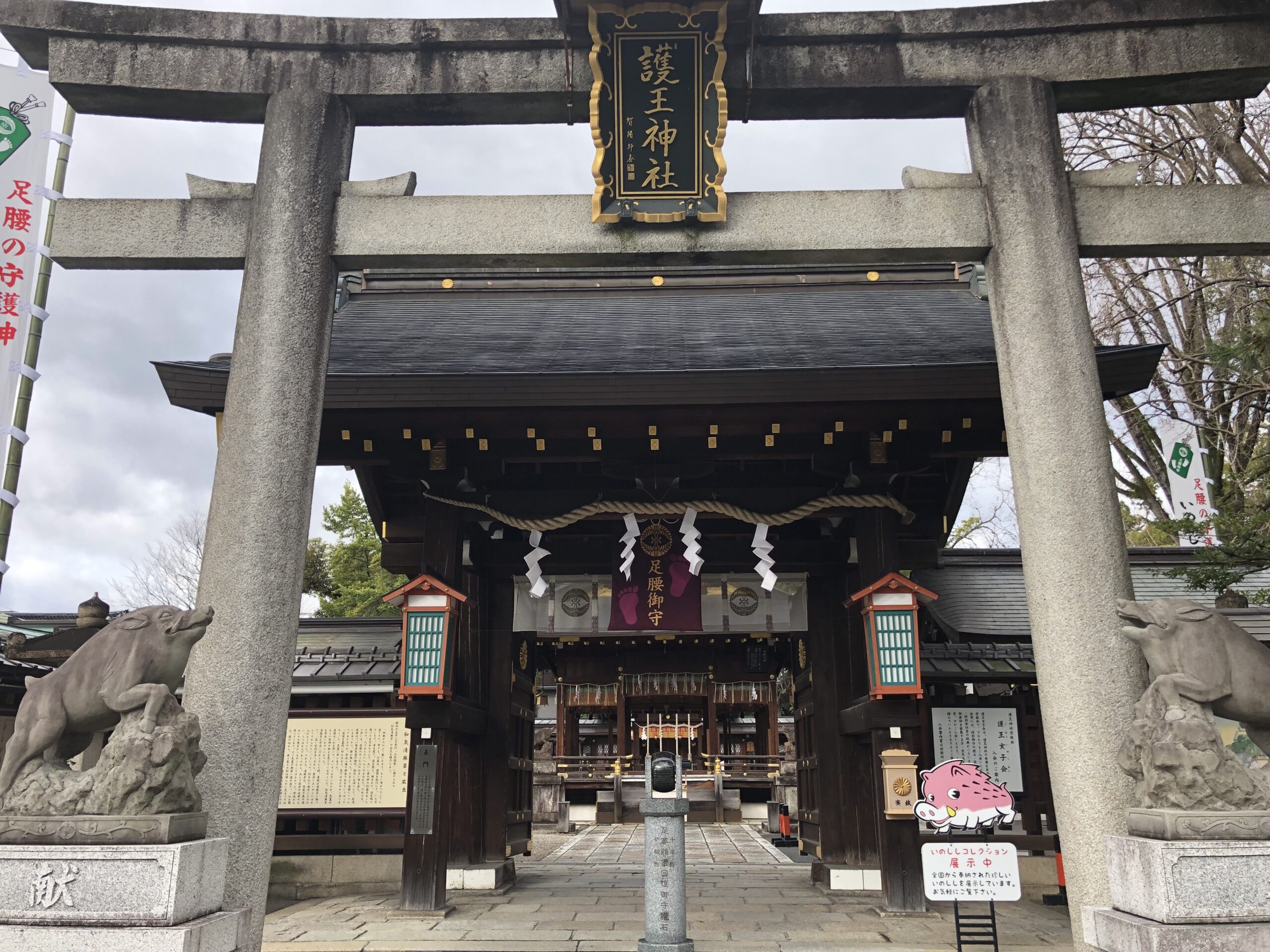
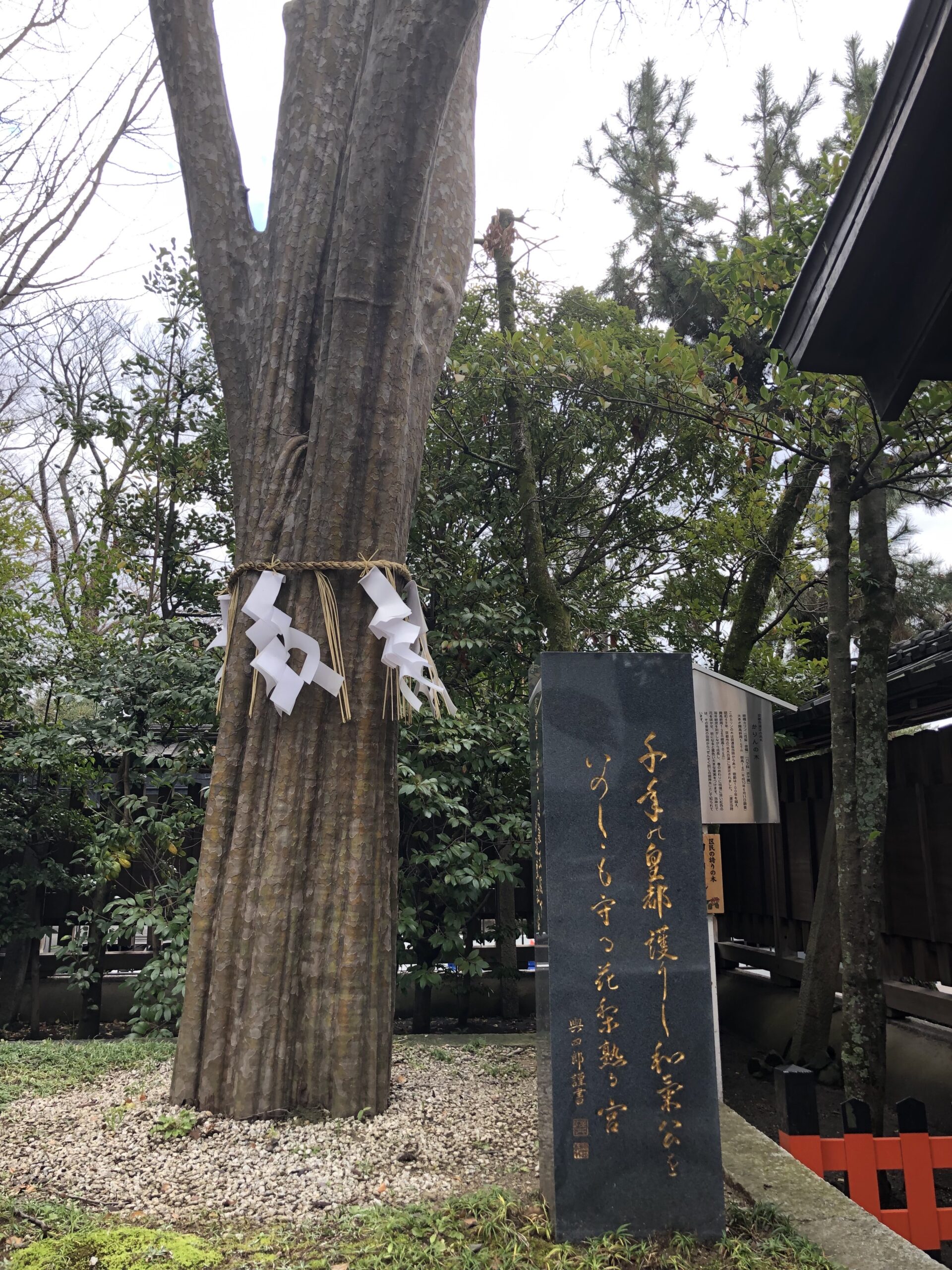
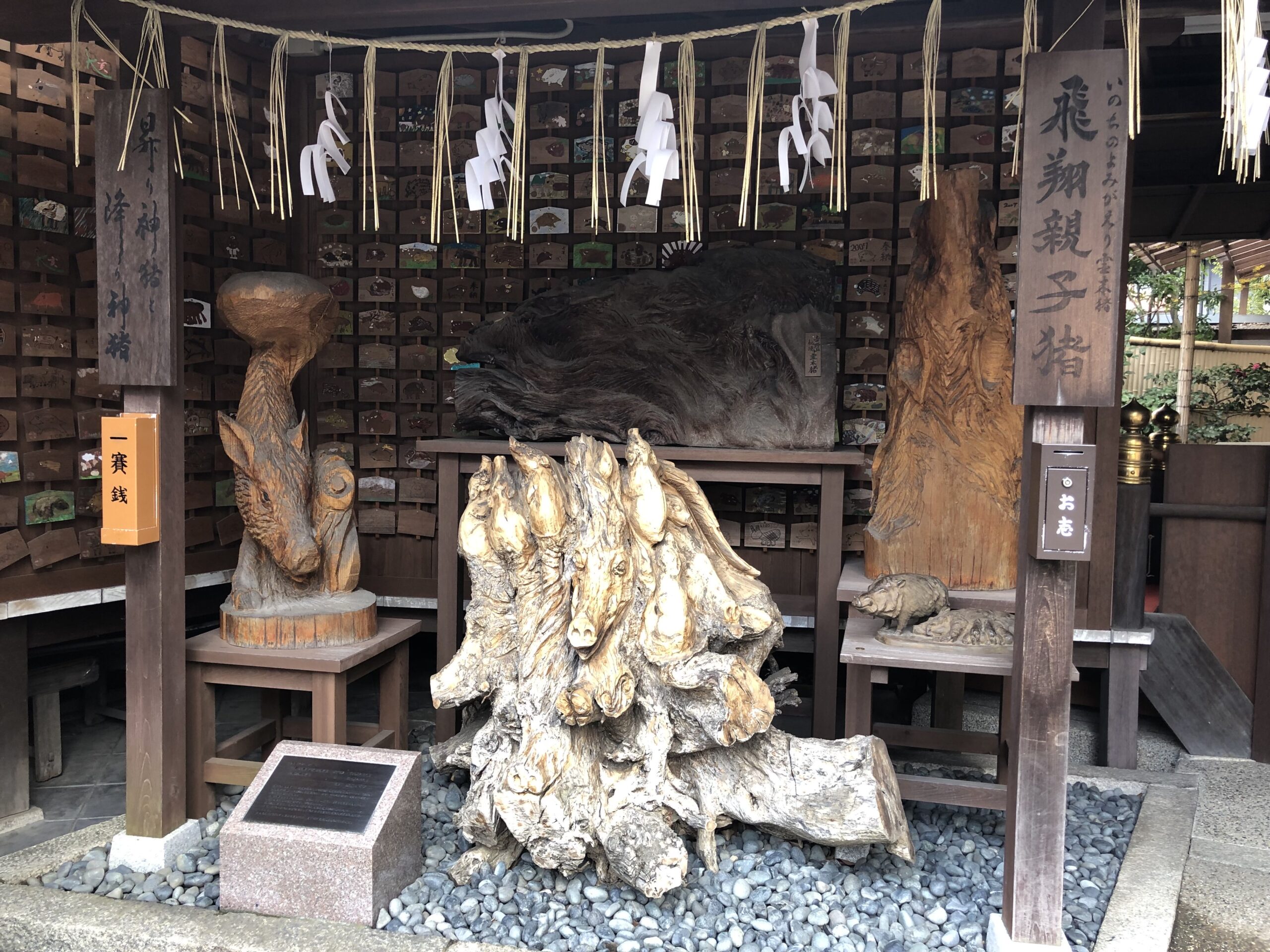
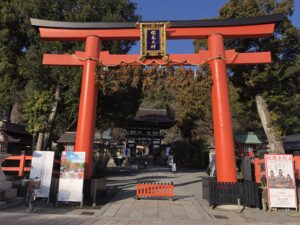
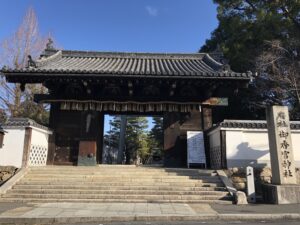
Goou Jinja Shrine is famous for its blessings for feet and lower back health. Boars are enshrined in this shrine because it is believed that 300 boars healed Wake no Kiyomaro (the main enshrined deity)’s injured feet to save his life when he was chased by his enemy. Therefore, statues and carvings of boars are placed elsewhere in the precinct to heal the visitors’ feet injuries. A 100-year-old Chinese quince tree also grows in the precinct, and sweets made from this tree are believed to ease asthma (available at the shrine’s shop).
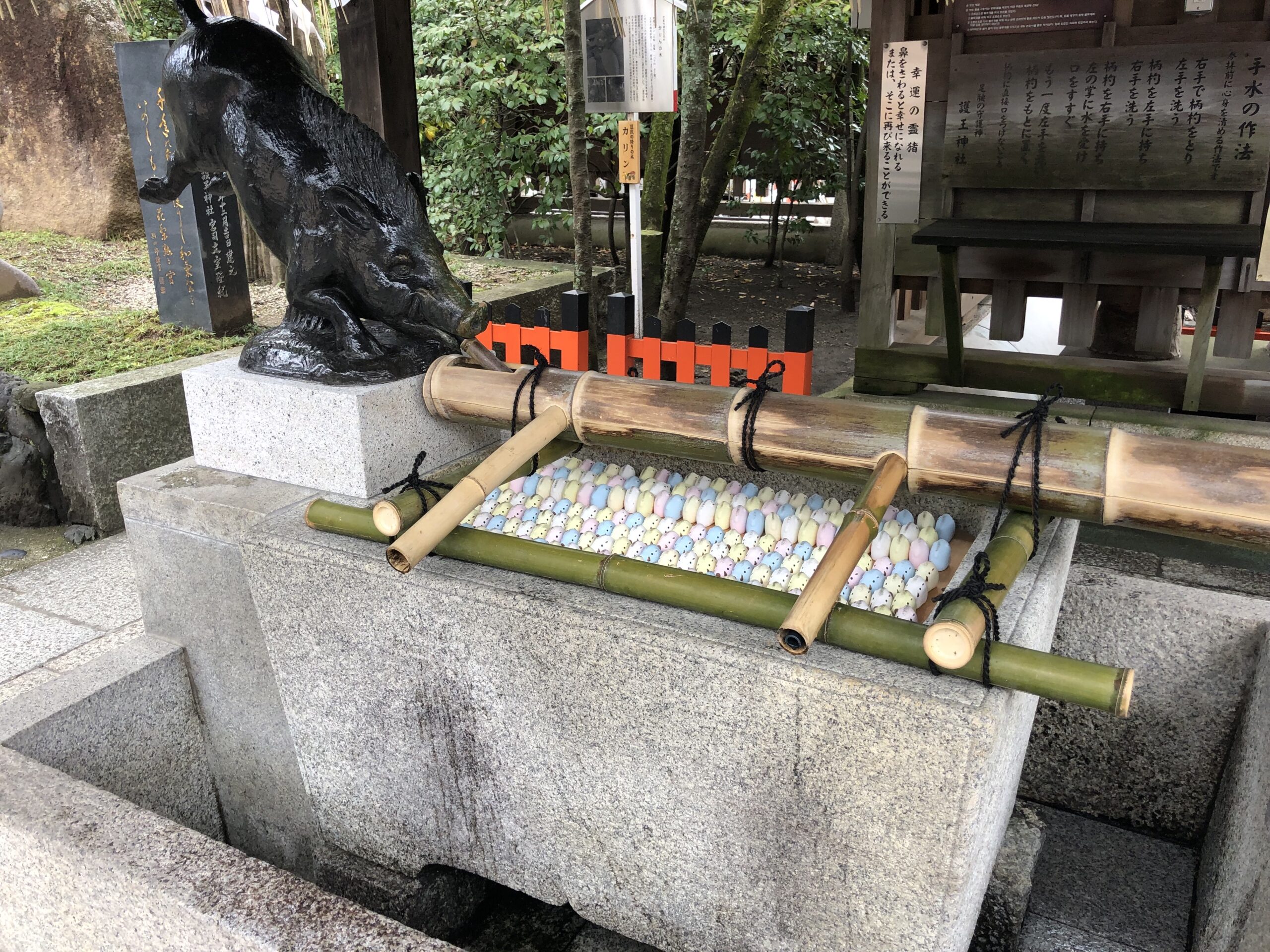
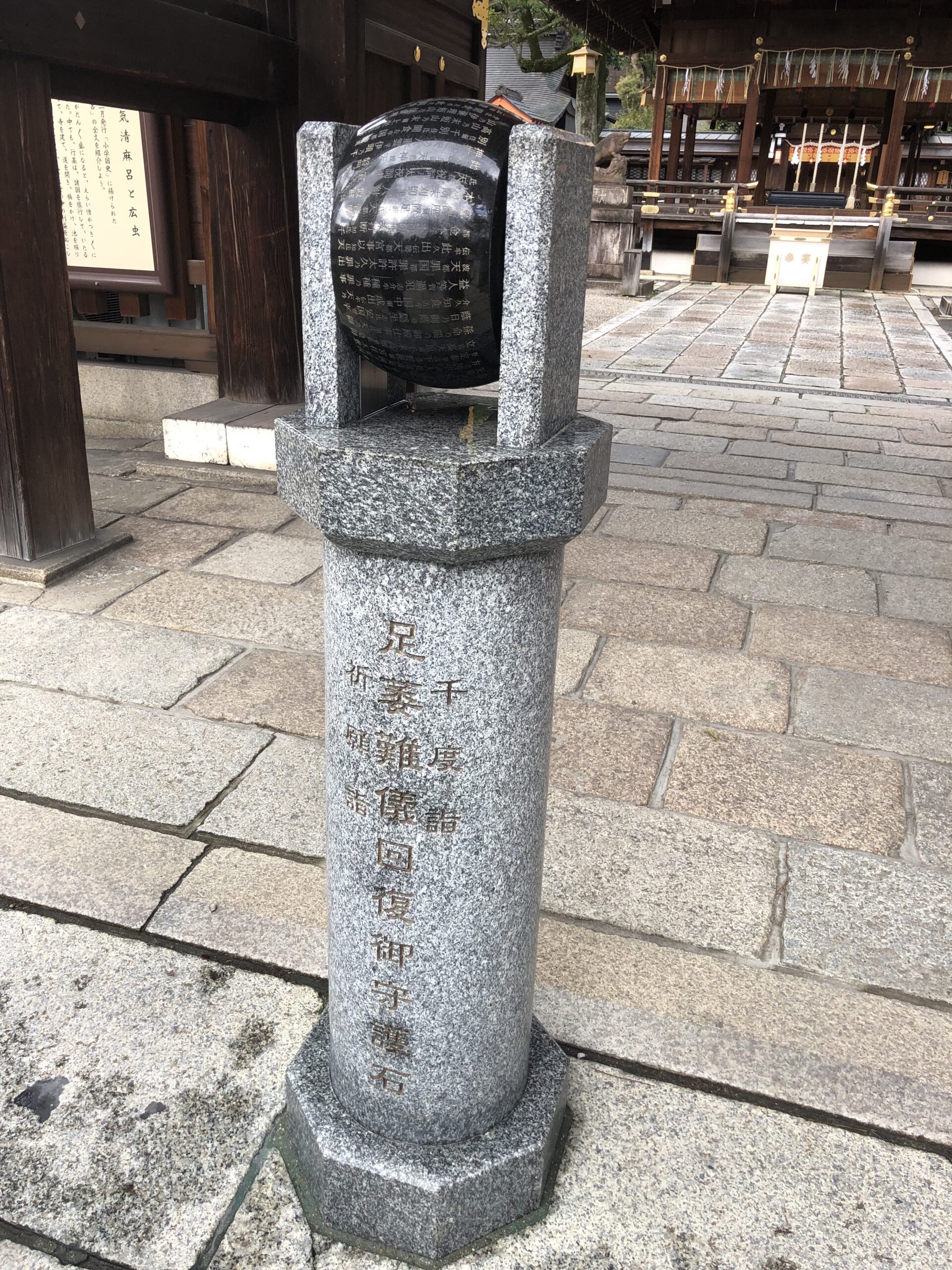
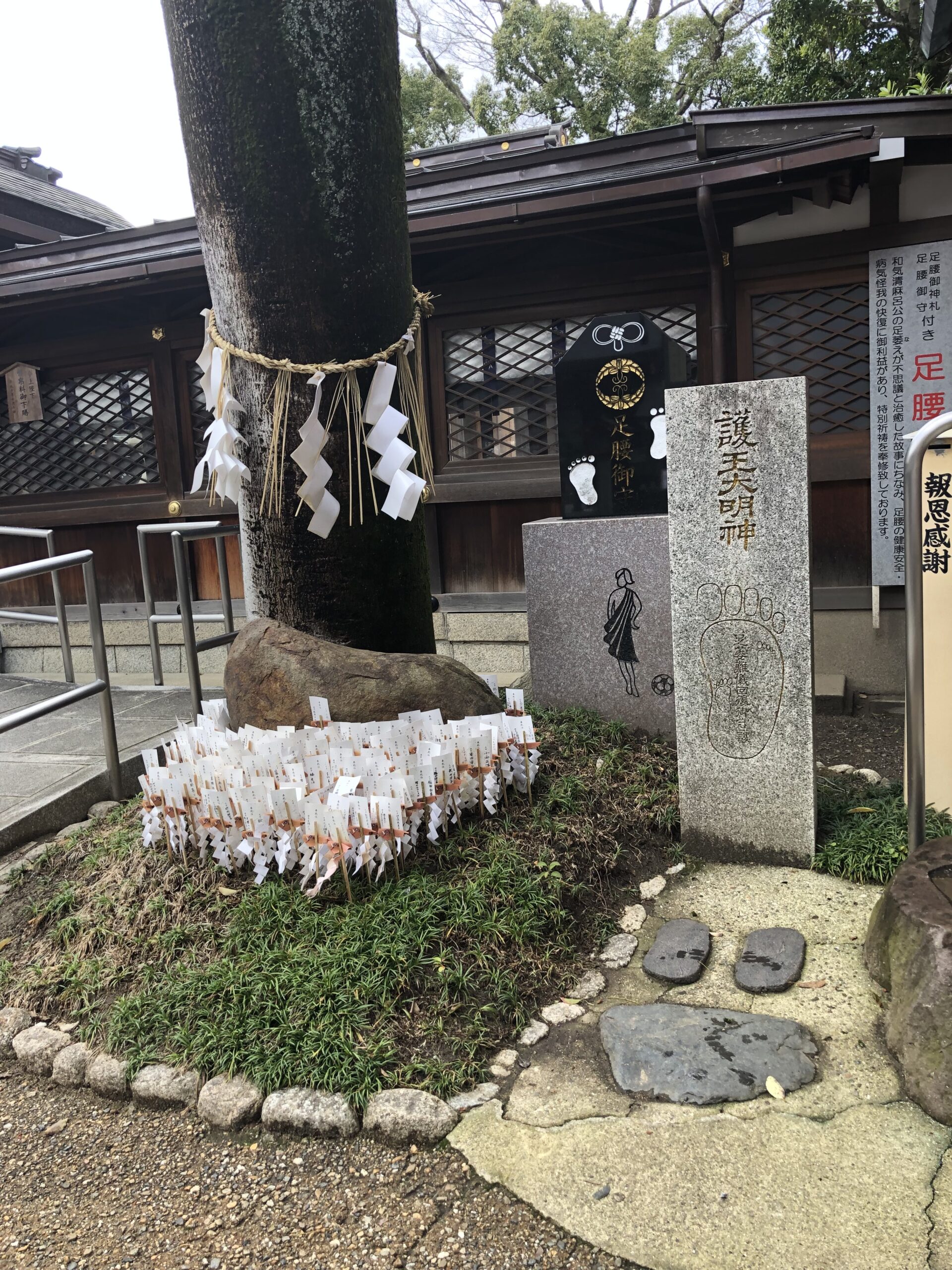
The Lucky Boar: The boar statue at the purification fountain is said to give fortune to visitors who rub its nose.The Holy Chinese Quince Tree: The holy tree is believed to ease asthma, and is selected by the Kyoto City as one of its 100 special trees.The Thousand-Time Wheel: Words of prayer called “Oharae kotoba” are carved on this granite wheel to pray for feet and lower back health. It is named “the thousand-time wheel” because it is believed that if visitors turn the wheel many times while making wish for their feet and lower back health, the effect will be equivalent to visiting the shrine a thousand times.The Monument of Feet Injury Recovery: It is said that those who step on the footprint shaped steppingstone and rub the stone monument can maintain their feet and lower back health. The Flying Boar Parent and Child: The sacred boar statue is carved out from a 300-year-old tree by Keiji Kidokoro, a champion in a worldwide chainsaw art competition.
Wake no Kiyomaro Ko no Mikoto: Known for his strong loyalty to Emperess Koken and his large contribution to the transfer of capital to Heian-kyo. He is worshipped as the god of feet and lower back health for being healed his foot injury by 300 boars that suddenly came down from the mountains.
Wake no Hiromushi Hime no Mikoto: The elder sister of Wake no Kiyomaro. She was trusted by many successive emperors for her deep compassion. Wake no Hiromushi Hime raised as much as 83 war orphans, and therefore is worshipped as the goddess of child-rearing.
Access
Address: 385 Oukakuen-Cho, Kamigyo Ward, Kyoto City, Kyoto
List of Nearby Shrines
4 minute walk
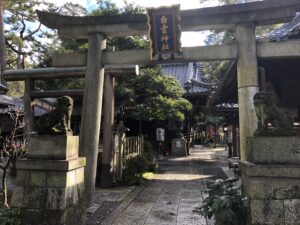
Sugawarain Temmangu ShrineThis shrine is one of the best shrines to wish for academic achievement because it sits on the birthplace of Sugawara no Michizane. Its subordinate shrine, Umemaru Ookami, is also famous for its divine power that helps curing cancer.
(4 minute walk)
5 minute walk
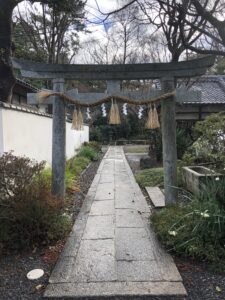
Shirakumo ShrineShirakumo Shrine enshrines Ichikishimahime no Mikoto, the goddess of music. Once every 12 days, the shrine holds the festival of snakes because snakes are considered to be the divine servant of the goddess.
(5 minute walk)
6 minute walk
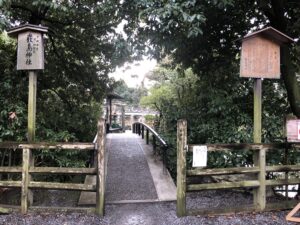
Munataka ShrineMunataka Shrine sits at the southwest of Kyoto Imperial Palace. The main enshrined deity, Munataka Ookami, helps people cut their way through, and gives protection to anything that concerns production.
(6 minute walk)
9 minute walk
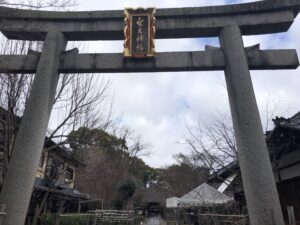
Itsukushima ShrineItsukushima Shrine locates in the Kyoto Imperial Palace. The stone torii (gateway) of the shrine is famous for being one of the 3 unique toriis in Kyoto. Itsukushima Shrine is also known for giving people economic fortune.
(9 minute walk)
13 minute walk
Nashinoki ShrineThis shrine is famous for its “Somei” well, one of the 3 famous wells in Kyoto. The water has been loved by tea masters for hundreds of years. In September, the shrine is beautifully decorated with pink and white bush clovers.